
A Bond for Life - An Overview from Shaun Crosskey, General Manager
How Long Have Bonded Brick Slip Systems Been Manufactured
For more than 25 years, Advanced Construction Systems Ltd has been manufacturing the FastClad Brick Slip Systems in the UK, supplying over 60,000m² of high-performance brick slip installations to projects across the construction industry sectors.
What Lifespan Would You Expect From a Brick Slip System
Both the Standard FastClad and FastClad A2 systems hold BBA Agrément Certificates, independently verifying a minimum service life in excess of 60 years. This level of durability is essential for building warranty providers and long-term asset performance. FastClad A2 is also fully compliant with current Building Regulations for use on buildings over 18 metres in height, providing confidence for designers, contractors and building owners.
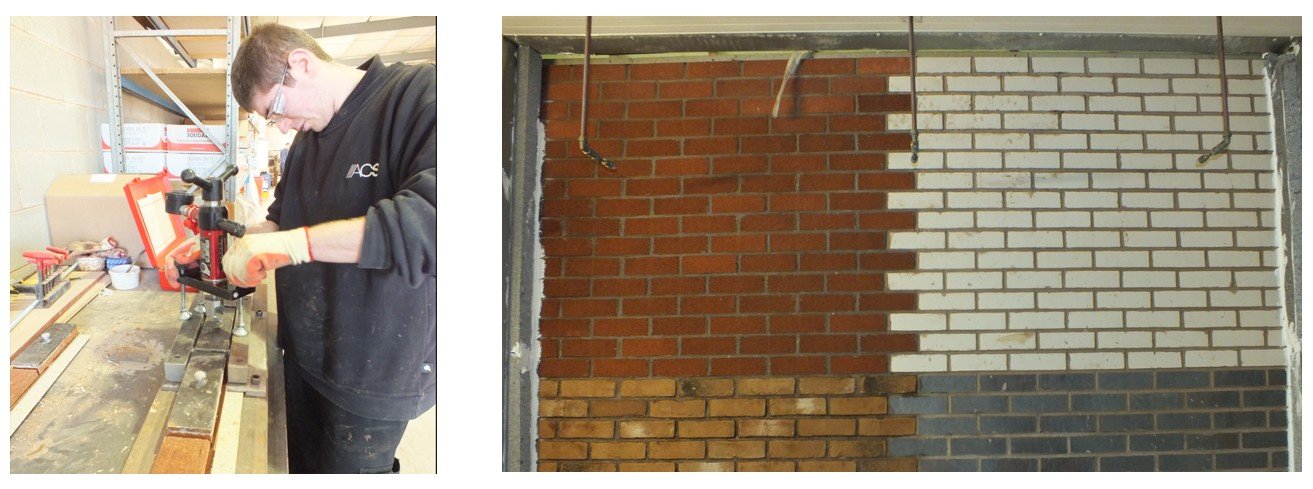
FastClad testing has been continuous over the last 25 years
Why Should You Trust a Bonded Brick Slip Facade
Achieving the level of certification for the FastClad products has been the result of years of product development and rigorous testing. Working in partnership with award-winning adhesive manufacturer Structural Adhesives Limited, we have developed a factory bonding system engineered to withstand the most demanding environmental conditions. Extensive independent and in-house testing, including aggressive freeze-thaw cycling and heat-moisture exposure, is undertaken before formal certification to ensure the system delivers reliable performance throughout the life of the building.
Additional assurance is given by the fact that all of the FastClad components are factory bonded, and not subject to site weather conditions
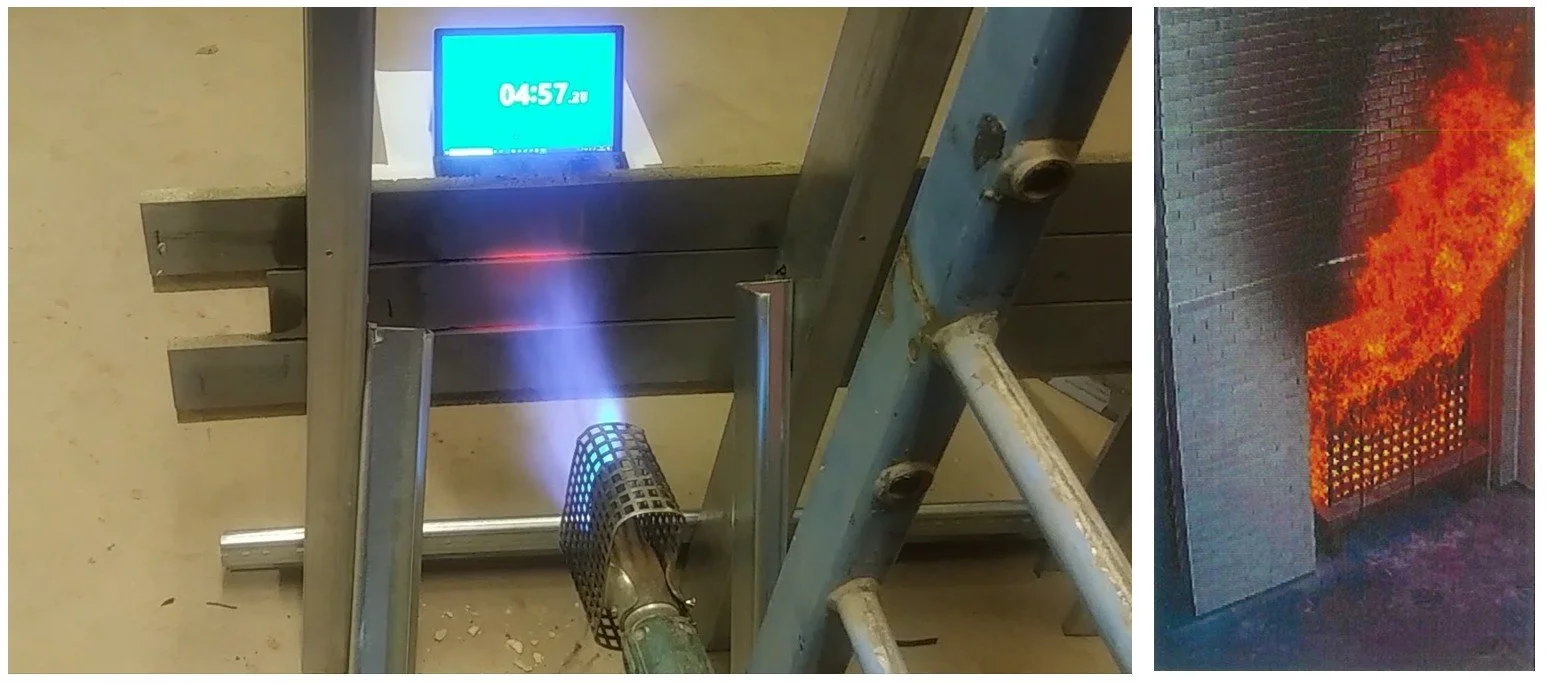
Small and full scale fire testing undertaken both in-house and Exova Warringtonfire
How Do We ensure Fire Safety for Brick Slip Facades
FastClad is among the most comprehensively fire-tested brick slip systems available in the UK. Our extensive programme of reaction-to-fire testing provides the assurance that variations in brick type or mortar colour do not compromise certified system performance, giving specifiers greater design flexibility without sacrificing compliance.
FastClad is available in both Standard and A2 Reaction to Fire classifications, including systems suitable for buildings exceeding 18 metres in height where regulatory requirements apply.
Fastclad has been extensively tested at Exova Warringtonfire to EN 13501-1, with FastCladA2 Achieving A2-s1,d0 and Standard FastClad B-s1,d0, so there is a solution for any application
Both Standard FastClad and FastClad A2 systems are BBA Certified with a minimum declared service life of 60 years, providing confidence for developers, warranty providers, mortgage lenders, and building owners.
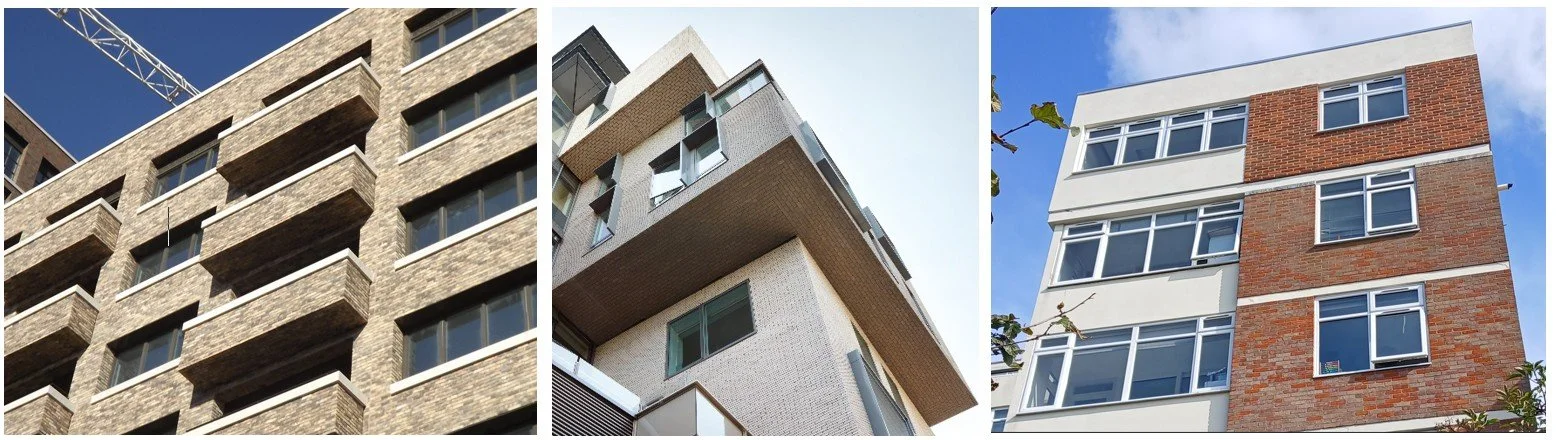
Brick slip clad balconies, soffits and rooftop extensions all become possible
Which Projects Benefit from Brick Slip Installations
The versatility of the FastClad system makes it suitable for a wide range of applications, including timber frame housing, complete external building envelopes, balconies, soffits and other areas where the weight or structural limitations of traditional masonry make conventional construction impractical.
Are Brick Slips Suitable for Fire Remediation of Buildings
FastClad has also become a trusted solution for façade remediation projects. As non-compliant external wall systems are replaced across the UK, our certified brick slip systems are helping building owners achieve EWS1 certification, providing reassurance to residents, mortgage lenders, insurers and other stakeholders.
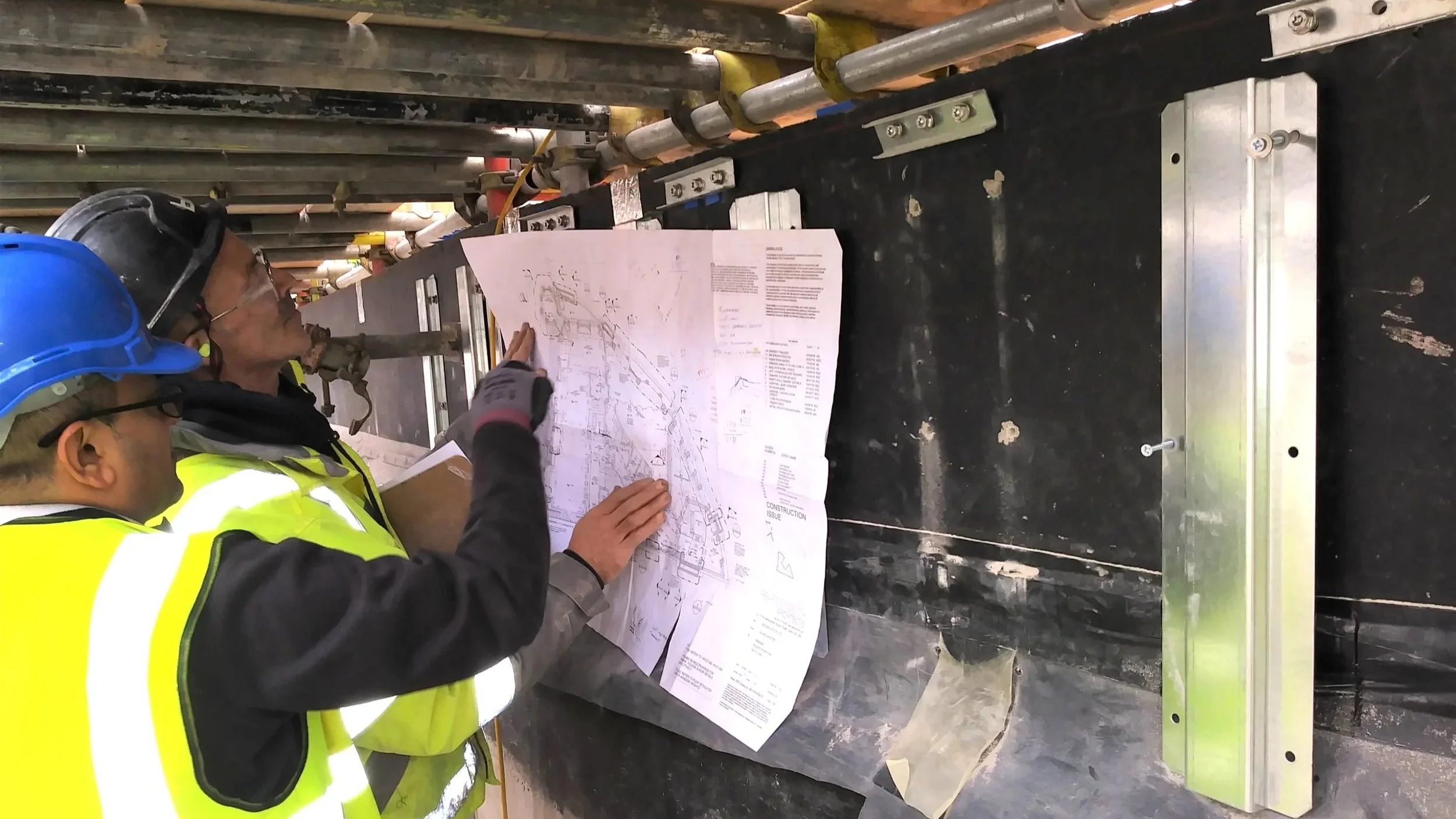
Mahesh our Senior Project Engineer gives advice on site
What Technical Support is Available for Brick Slip Installations
To support successful project delivery, Advanced Construction Systems offers a complete package that includes a fully engineered steel support framing system, comprehensive installation training at our manufacturing facility and on site, plus expert technical support throughout every stage of the project. From initial design and specification through to installation, our experienced team works closely with clients to deliver durable, compliant and aesthetically outstanding brick slip façades built to perform for generations.
A successful brick slip façade is about much more than simply choosing an attractive brick. The right system must meet regulatory requirements, perform reliably in service, and deliver the desired architectural finish.
Before specifying a brick slip cladding system, consider these 9 key factors:
1. Certification & Compliance
Ensure the chosen system carries the relevant certification required to satisfy Building Regulations and building warranty providers. Independent certification provides confidence that the system has been properly assessed for its intended application.
2. Frost Resistance
Check that the chosen brick or brick slip has been tested and classified for F2 frost resistance. This is particularly important for façades exposed to the UK’s variable weather conditions.
3. Reaction to Fire
Establish that the system's Reaction to Fire performance meets current Building Regulations for the intended building height and location. Particular attention should be given to applications over 18m in England and Wales and 11m in Scotland, where fire performance requirements are especially important.
4. Substrate Capacity
Confirm that the substrate is capable of carrying the dead and live loadings imposed by the complete brick slip system. The structural suitability of the substrate should be established before installation begins.
5. Brick Slip Cutting & Breakage
Carry out a brick slip cutting trial to establish expected cutting losses and breakages. Excessive waste can have a significant impact on both the economics and sustainability of a project.
6. Architectural Features & Soffits
Consider whether the system can accommodate architectural features, reveals, corners and soffits. Very few brick slip systems are suitable for downward-facing applications, so this should be established at the design stage.
7. Brick Bonds & Formats
Will the system accommodate the required brick bond patterns and brick formats? The ability to use different sizes and arrangements can be critical to achieving the architect’s intended aesthetic.
8. Dimensional Tolerances
Check that the dimensional tolerance of the brick is compatible with the fixing system.
For example, mechanically fixed systems generally require T2 tolerance bricks, whereas bonded systems such as FastClad can accommodate T1 or Tm size bricks.
9. Installation Training & Site Support
Installation training and ongoing site support from the manufacturer should form part of the supply package. Proper installation is critical to achieving the intended performance and appearance of the completed façade.
Why Choose FastClad?
At FastClad, we can help answer all these questions before your project reaches site.
From certification and brick selection through to installation training and technical support, we can help ensure your brick cladding façade is designed, specified and installed for a bond for life.